
As work habits across Australia continue to evolve, the way people interact with their desks is changing too. Long hours of sitting, whether at home or in an office, have raised concerns among health professionals and workplace designers alike. In response, the electric standing desk, also known as an electric adjustable desk, has become a widely discussed solution in modern workspace design.
Rather than being a passing trend, these desks reflect a broader shift toward flexibility, movement, and wellbeing at work.
Understanding Electric Standing Desks
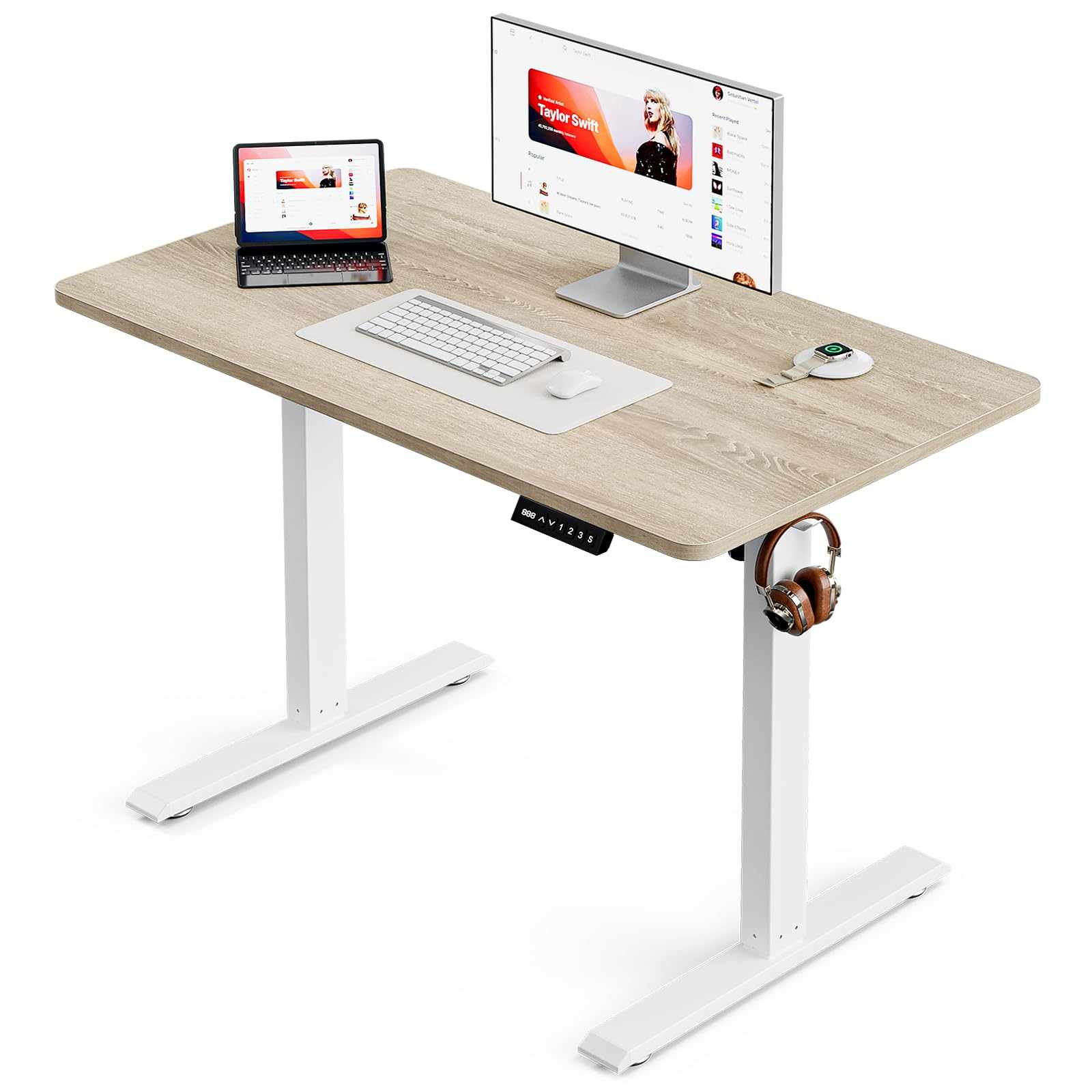
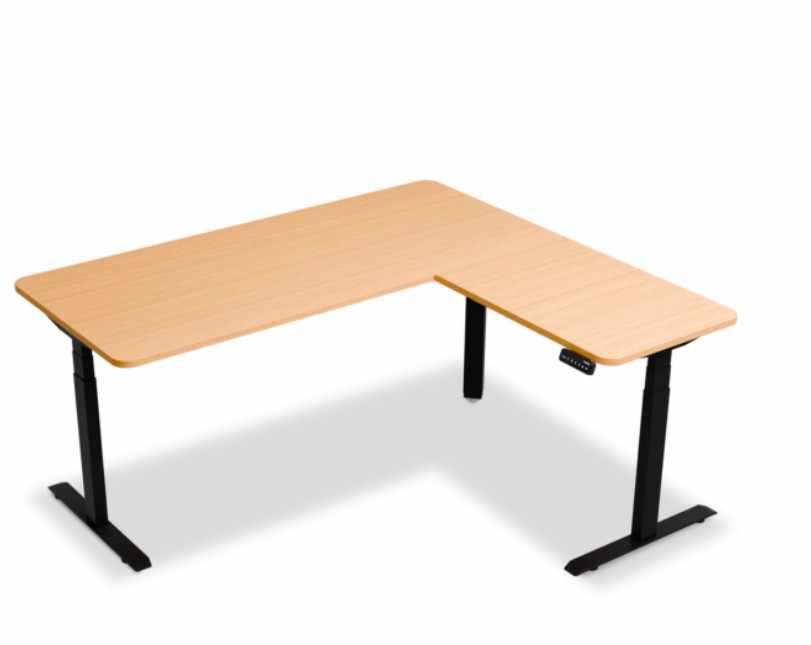
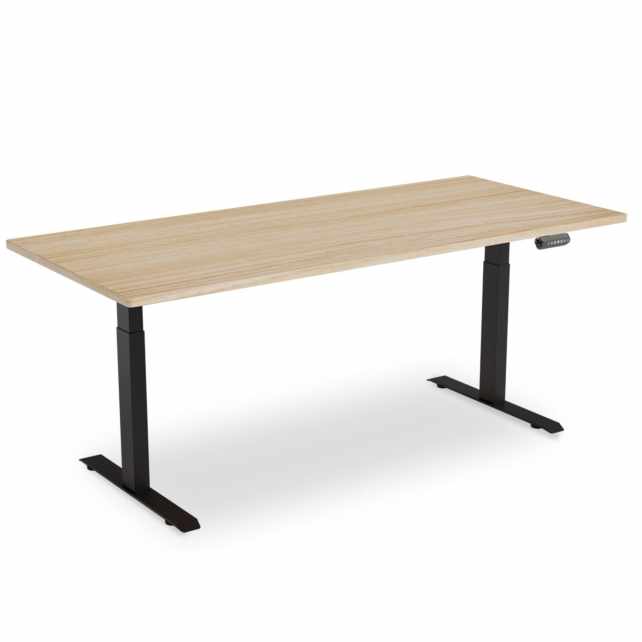
An electric standing desk is designed to allow users to adjust the height of their work surface using a motorised system. With the push of a button, the desk can move smoothly between sitting and standing positions, supporting different working styles throughout the day.
Unlike fixed desks, an electric adjustable desk adapts to the user rather than forcing the user to adapt to the desk. This flexibility is particularly relevant in Australia, where hybrid work arrangements and home offices are now common across industries.
Why Height Adjustability Matters
Extended sitting has been linked to discomfort, reduced focus, and musculoskeletal strain. While standing all day is not the answer either, the ability to alternate between positions can help create a more balanced routine.
Workplace ergonomists often highlight that movement is more important than posture alone. Electric standing desks encourage subtle, regular changes in position, which may help reduce stiffness and support better circulation during long working hours.
Common reasons Australians consider electric adjustable desks include:
Supporting ergonomic workstation setups
Encouraging regular movement during the workday
Accommodating different user heights and preferences
Adapting shared or multi-user workspaces
Electric Standing Desks in Home Offices
The rise of remote and hybrid work across Australia has brought renewed focus on home office ergonomics. Many homes were not originally designed with full-time work in mind, leading to makeshift setups at dining tables or couches.
An electric adjustable desk can help establish a more structured workspace at home, offering flexibility without requiring major renovations. For people working across varying schedules, the ability to shift between sitting and standing can also help separate “work mode” from rest time.
“After switching to an adjustable desk, it became easier to manage long workdays at home. Changing positions helped reduce end-of-day fatigue.”
— Remote professional, Sydney
Use in Corporate and Shared Workspaces
In offices, electric standing desks are increasingly used as part of broader workplace wellbeing strategies. Open-plan offices and shared desks benefit from furniture that can be quickly adjusted for different users.
From a design perspective, electric adjustable desks support inclusivity by accommodating a wide range of body types and accessibility needs. This adaptability aligns with modern Australian workplace standards focused on employee comfort and long-term sustainability.
“Our team noticed improved comfort after introducing adjustable desks, especially in shared work areas.”
— Workplace coordinator, Melbourne
Key Features Often Considered
While designs vary, electric standing desks commonly include features aimed at usability and safety. These may include:
Smooth motorised height adjustment
Memory settings for preferred heights
Stable frames to support everyday equipment
Quiet operation suitable for office environments
The goal of these features is not convenience alone, but consistency—allowing users to change posture without interrupting focus or workflow.
Impact on Daily Work Habits
Using an electric standing desk does not require standing all day to be effective. Many users adopt a gradual approach, alternating positions during meetings, focused tasks, or breaks.
Health professionals often recommend listening to the body rather than following rigid schedules. In this way, electric adjustable desks function as supportive tools rather than fixed solutions.
Sustainability and Longevity Considerations
In Australia, there is growing awareness around sustainable purchasing and long-lasting furniture. Electric standing desks are often evaluated not only for functionality, but also for durability and repairability.
A well-built desk that supports changing needs over time may reduce the need for frequent replacements, contributing to more sustainable workspace planning.
A Shift Toward Flexible Work Environments
The increasing presence of electric standing desks reflects a broader cultural change in how workspaces are designed. Rather than prioritising static setups, there is greater emphasis on adaptability, comfort, and individual needs.
As work continues to blend between office and home environments across Australia, furniture that supports movement and flexibility is likely to remain a key part of future workspace discussions.
Conclusion
The electric standing desk, or electric adjustable desk, represents more than a change in furniture—it reflects changing attitudes toward health, productivity, and personal comfort at work. By allowing users to move naturally throughout the day, these desks support modern work habits without imposing rigid rules or expectations.
As Australian workplaces continue to evolve, adaptable solutions like electric standing desks are increasingly viewed as practical tools for creating balanced, user-centred environments.


Write a comment ...